
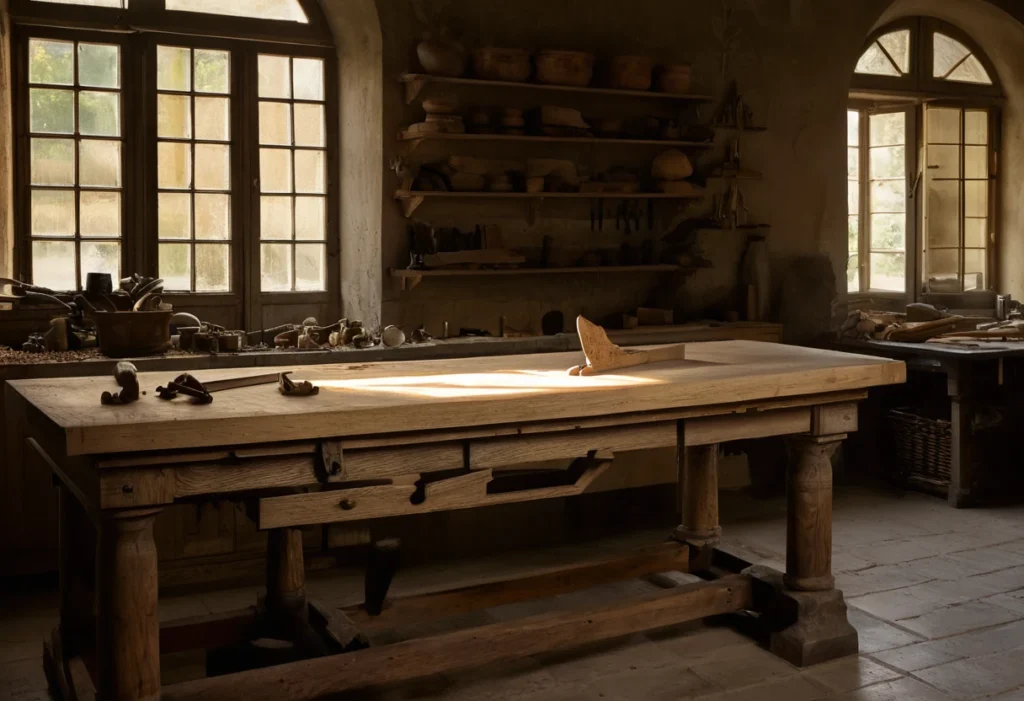
Italy’s luxury furniture industry rests on family workshops where carving, gilding and marquetry pass from parent to child, in unbroken chains that in the oldest houses span seven generations and two centuries. The chain nearly broke between 1990 and 2015, and the story of how Italy is re-welding it, through craft schools, foundations and a generation that chose the bench over the office, decides what “Made in Italy” will mean in 2050. The portraits in this essay are composites drawn from the furniture districts of Lombardy and the Veneto; the institutions, dates and economics are documented fact. For readers studying how this level of craft appears in current production, Modenese Furniture is a useful reference point for Italian classic furniture, carving, finishes and room-scale collections.
5:40 a.m., a Workshop in Brianza
The first light in a Brianza furniture workshop belongs to the oldest man in the building. A master carver in his seventies unlocks the doors before the machines wake, sharpens six gouges in the order his father taught him in the 1960s, and spends the quiet hour roughing out an acanthus leaf in walnut because his hands, after six decades, still want the work. By 7:30 the benches around him fill: his son runs the workshop now, a nephew programs the CNC that does the rough lifting, and the question that hangs over the room is standing at the bench by the window, twenty-three years old, three years into her apprenticeship, learning the same leaf.
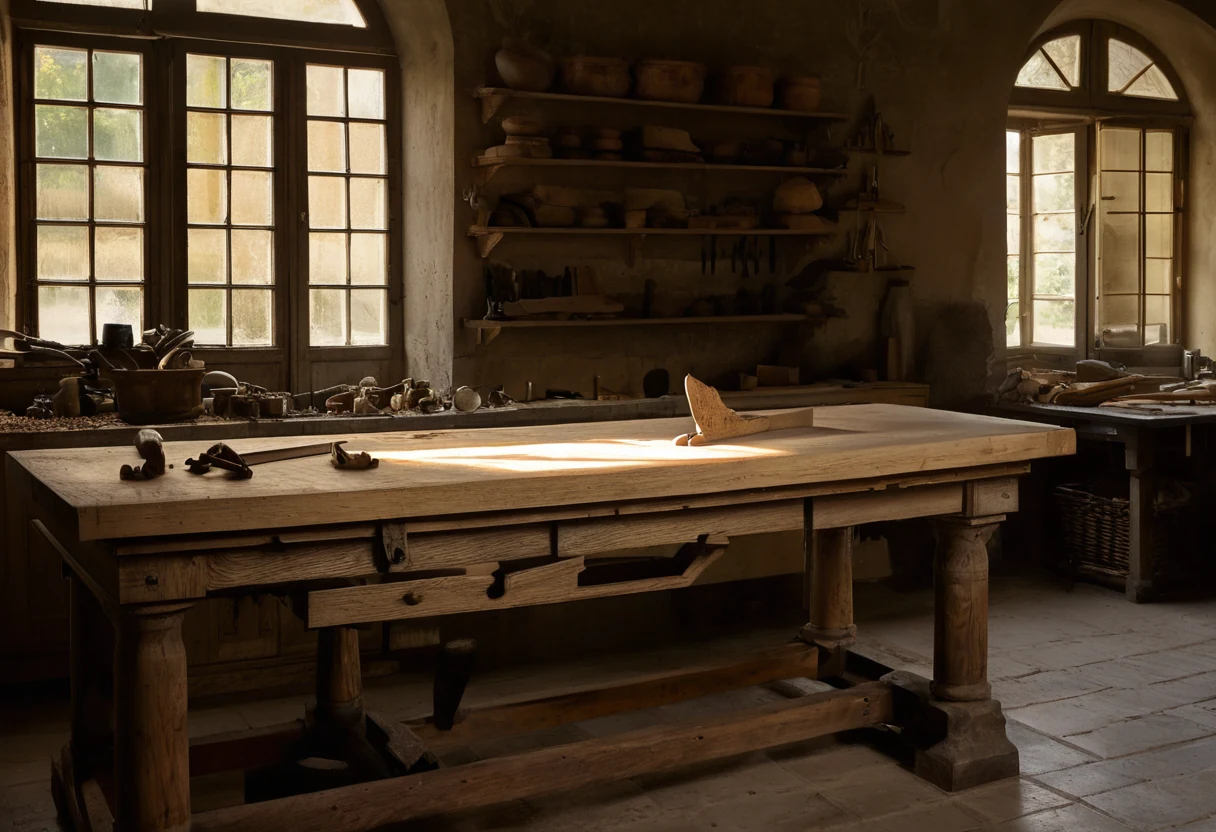
Why Italy, and Why Families: The Bottega System That Built the Districts
Italian furniture craft concentrated in family dynasties because the medieval bottega, the master’s workshop-school, never fully died in Italy: skills transferred by years of supervised handwork, and the cheapest apprentice to supervise was your own child. Geography did the rest. The Brianza district north of Milan, with the towns of Meda, Cantù and Lissone, industrialized woodworking in the 19th century while keeping hand-finishing in families; the Veneto built a parallel cluster around Verona, where the towns of Cerea and Bovolone specialized in classic and reproduction furniture. The system scaled into the modern industry when the Salone del Mobile launched in Milan in 1961 and gave the districts a global shop window; the fair, now run at the Rho fairgrounds and documented at salonemilano.it, remains the annual exam every workshop dynasty sits.
The economics of the dynasty model are unsentimental. A master carver or gilder needs roughly 7 to 10 years of formation before unsupervised work on museum-grade pieces; no quarterly business model finances a decade of training for an outsider, but a family amortizes the decade across a lifetime of shared income. Dynasties, in other words, are not folklore. Dynasties are the only financing instrument craft formation ever found that reliably pays.
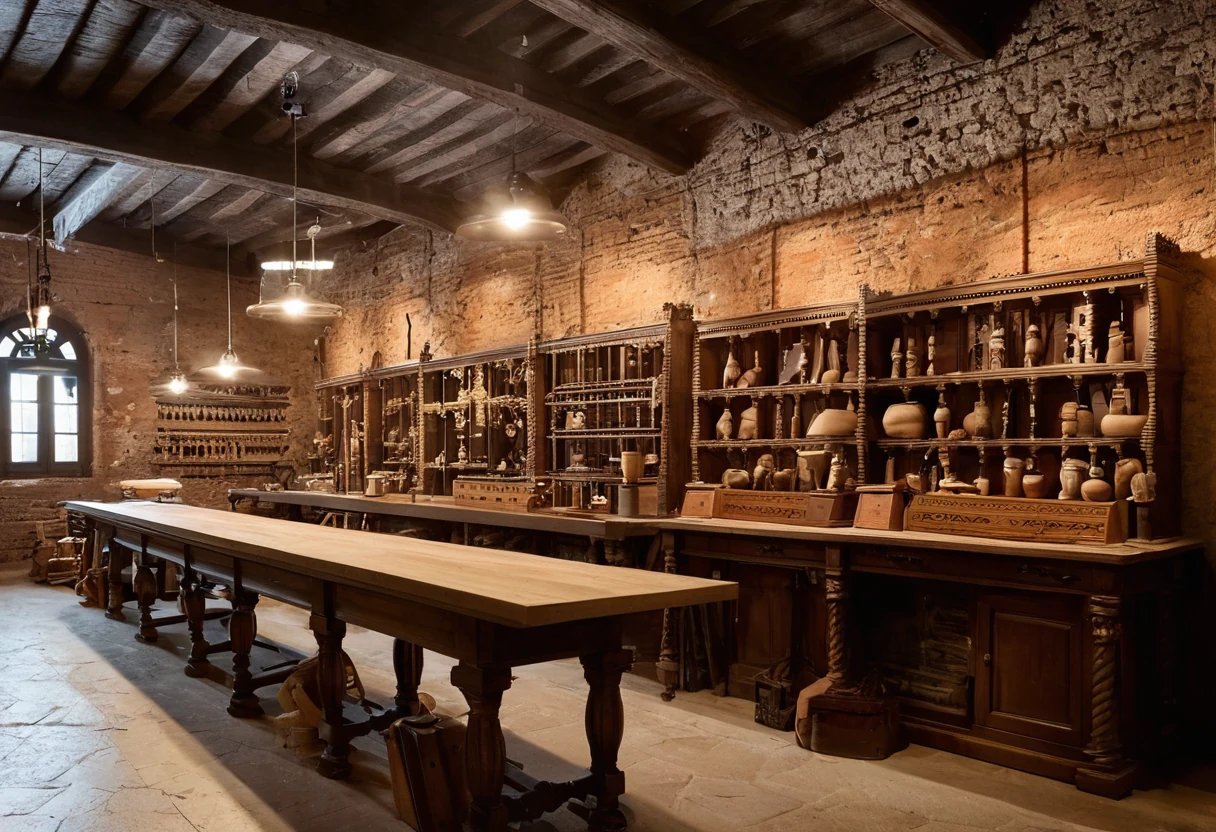
The Break in the Chain: 1990-2015, When the Hands Began Leaving
Globalization hit the districts in two waves: low-cost imitation furniture undercut the middle market in the 1990s, and the 2008 financial crisis emptied order books just as the postwar generation of masters reached retirement. Industry associations across the Lombardy and Veneto districts spent those years repeating the same warning in different words: workshops were closing not for lack of demand at the top of the market, but for lack of successors, because the masters’ own children had watched two decades of contraction and chosen universities instead. A craft that takes ten years to teach can lose a generation in five, and by the early 2010s the average age at the carving benches of the classic-furniture districts was a number nobody printed on marketing material.
What the crisis clarified is now industry doctrine: the scarce asset of Italian luxury furniture is not walnut, design or brand. The scarce asset is formed hands, and formed hands have an 18-year lead time counted from the day a teenager first picks up a gouge.
The New Apprentices: Schools, Foundations and the Return of Prestige
The rescue, visible since the mid-2010s, came from three directions at once. Formal craft education professionalized: technical institutes in the furniture districts, including the dedicated wood-and-furniture programs around Lentate sul Seveso in Brianza, now feed trained young makers directly into workshops. Philanthropy organized: the Milan-based Fondazione Cologni dei Mestieri d’Arte finances apprenticeship placements that pay workshops to train outsiders, breaking the family-only financing lock, while the Michelangelo Foundation’s Homo Faber events in Venice put living craftsmen on the kind of stage culture once reserved for designers. And status returned: a generation raised on screens discovered that a master carver’s feed of curling walnut shavings outperforms most influencer content, and that a formed trade offers what the gig economy conspicuously does not.
The demographic result is measurable at the bench: workshops in the classic districts that had no apprentice in 2010 now run waiting lists, and the new intake includes two groups the old bottega rarely admitted, university graduates changing course in their late twenties, and women, who now train as carvers and gilders in workshops where their grandmothers were only ever seamstresses. Houses that document their handmade wood carving publicly have turned the workshop itself into the brand’s proof, which completes the circle: transparency about process now recruits the next generation that the process needs.
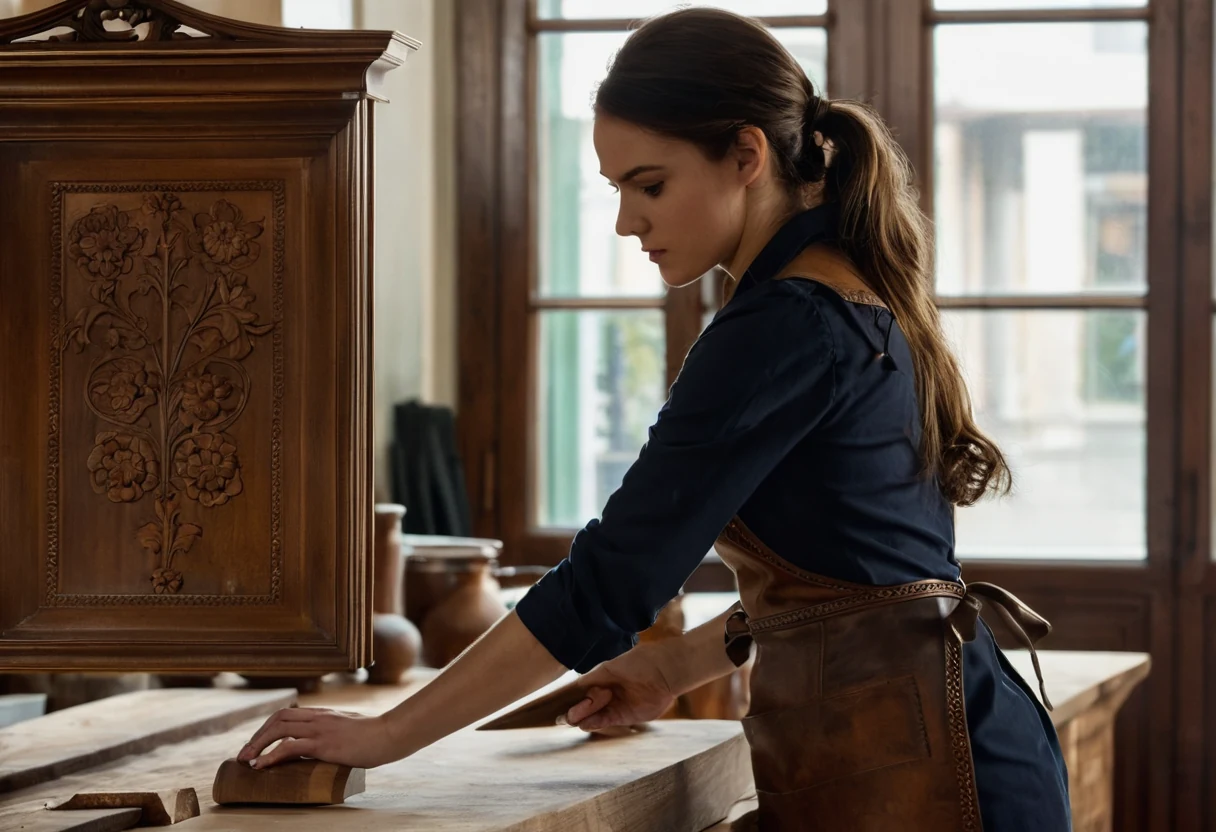
7:50 p.m., the Same Workshop
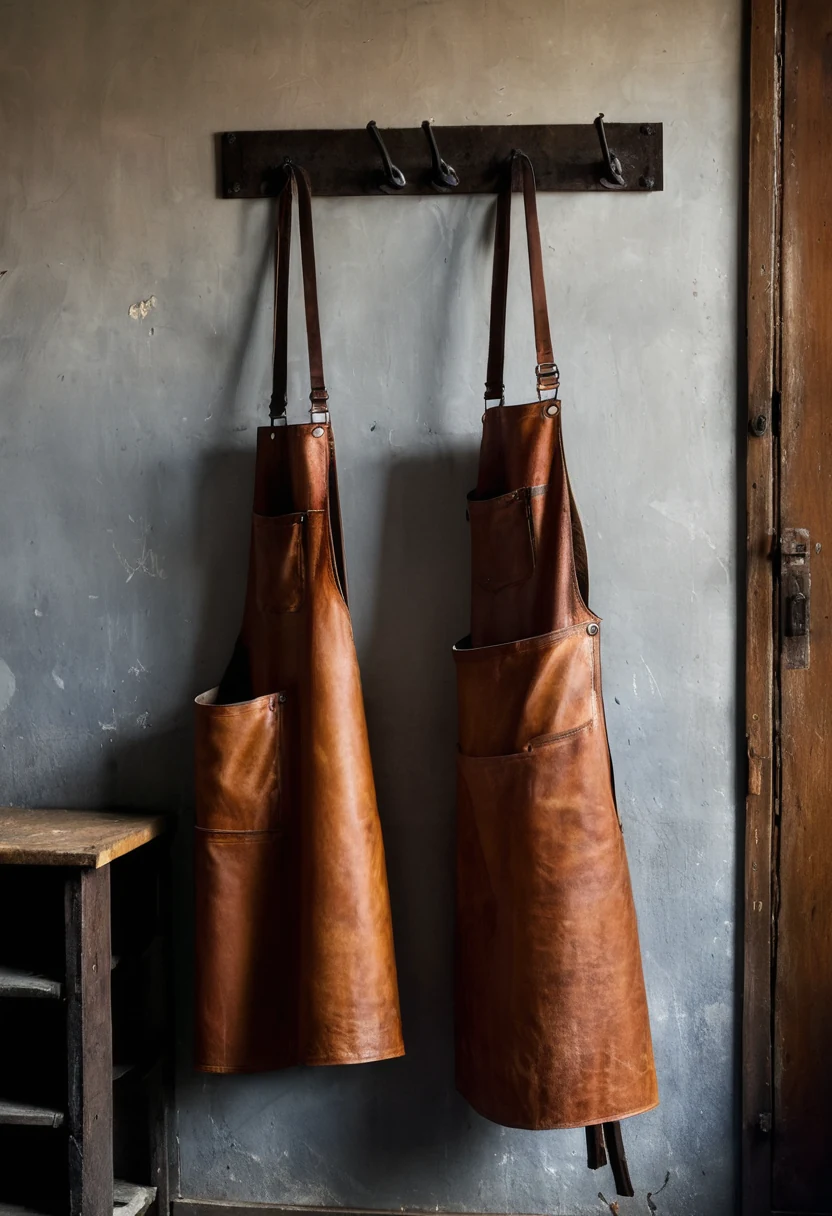
The light at the end of the day belongs to the same bench it began on. The old master left at five, as he has for years; his gouges hang in their rack in the order his father set. At the bench by the window the apprentice is still working, finishing the leaf, because the leaf is due Friday and because finishing is the part nobody can teach. On the wall above her hang two aprons: his, cracked at the fold lines, and hers, still stiff. The workshop has stopped asking whether the chain will hold. The workshop has gone back to asking the only question a bottega ever really asks at closing time, which is whether the leaf is good, and the answer, this evening, is yes.
Seven generations is not a marketing number. Seven generations is roughly 200 years of one family refusing, every single working day, to let the standard drop, and the meaning of the last decade in Italian craft is that the refusal has stopped being hereditary. Anyone willing to give the bench ten years can now join it, and the districts have decided that this, not nostalgia, is how the next two centuries get built.